The Houston Astros and Texas Rangers have reached the 2026 MLB trade deadline with little separation in the American League West and almost no room for a passive front-office strategy. Houston completed a three-game sweep of the Los Angeles Angels on July 29 to reach 55-55, its first appearance at .500 this season, and moved within one game of first-place Texas. That sudden compression has changed the deadline from a general roster-improvement period into a direct Texas baseball contest.
The timing raises the stakes. MLB’s 2026 trade deadline is set for August 3 at 6 p.m. ET, giving Astros general manager Dana Brown and Rangers president of baseball operations Chris Young only a few days to judge the same division, contact many of the same sellers and decide how much future talent is worth risking for a race that could remain tight through September. MLB’s official deadline analysis identified an outfield bat and bullpen help as Houston’s main priorities, with another high-leverage reliever listed as Texas’ clearest need. (Astros trade deadline outlook)
Houston’s Recovery Changed The Deadline Calculation
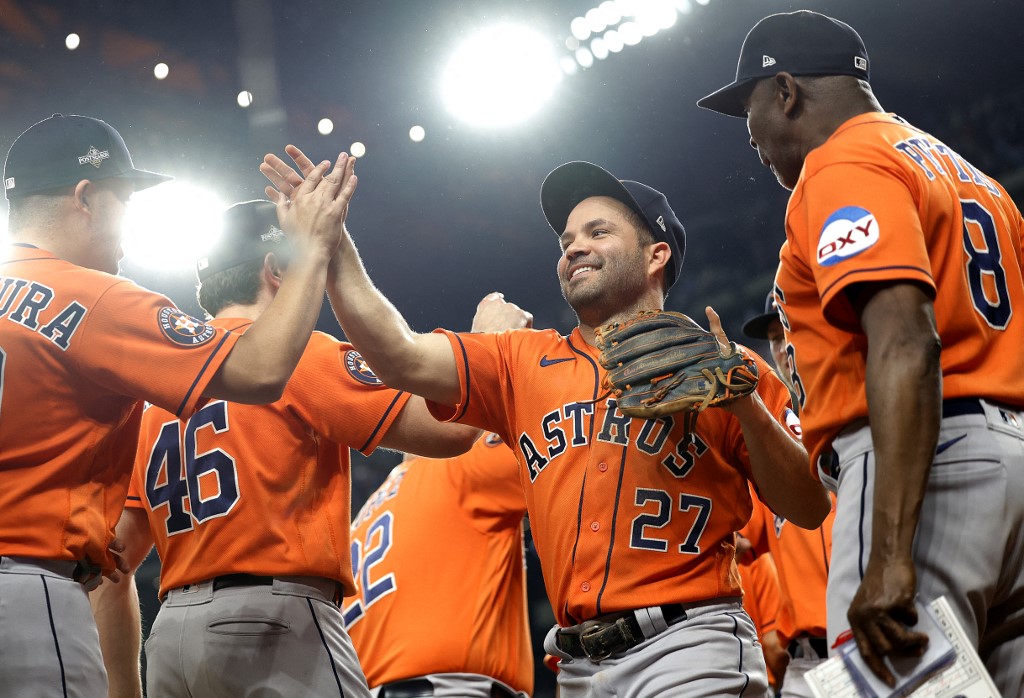
Houston’s season looked far less promising in late May. The Astros fell 11 games below .500 before producing the strongest winning percentage in the American League from May 21 through July 29, going 35-24 over that span. Their 7-4 victory over the Angels completed a 5-1 road trip, extended their recent run to eight wins in nine games and created an immediate chance to challenge Texas directly.
That turnaround matters to Brown’s deadline planning. A team buried in the standings could justify protecting prospects and treating 2026 as a bridge season. A club sitting one game from the division lead cannot make the same calculation, particularly when the remaining schedule and the lack of a dominant AL West team leave a realistic path to October.
Houston’s offense has supplied more support during the surge. Jeremy Peña entered the Texas series with an 11-game hitting streak and six home runs over the previous week. Yainer Diaz delivered four hits, including a home run, in the sweep-clinching win over Los Angeles. Cam Smith produced the go-ahead two-run double. Hayden Wesneski returned from Tommy John surgery and completed 5⅔ innings after a 451-day absence, giving the rotation another option at a useful moment.
Those gains do not erase the roster’s weaknesses. Houston has cycled through several left-field and center-field combinations without receiving dependable production. Brown stated before the All-Star break that offensive outfield help was a major priority and mentioned bullpen reinforcement as another target. The Astros may have internal pitching reinforcements, yet their outfield remains harder to repair without a trade.
The Rangers Need To Protect A Narrow Lead
Texas reached the All-Star break in first place despite carrying a modest record and a negative run differential. The shape of the division gave Chris Young a reason to remain aggressive: a flawed first-place club still owns a valuable opportunity when every rival has shown clear weaknesses.
The Rangers’ roster construction points toward pitching. Jacob Latz and Jakob Junis have handled important late-inning work, but MLB’s deadline assessment identified another high-leverage arm as the team’s main need. Rotation depth could improve through returning pitchers, leaving the bullpen as the more immediate place to add certainty before close divisional games begin deciding the standings. (Rangers deadline plans)
Texas has already experienced how quickly pitching availability can change. Chris Martin went on the injured list with a right shoulder impingement on July 12 before beginning a rehabilitation assignment with Triple-A Round Rock. Jakob Junis returned from the injured list on July 18. Jose Corniell landed on the injured list three days later. Jalen Beeks had previously been transferred to the 60-day injured list.
That churn makes a dependable reliever more than a luxury. A division race played within one or two games places repeated pressure on the same late-inning pitchers. One additional arm capable of handling the seventh, eighth or ninth inning could help manager Skip Schumaker avoid overusing his best options during August and September.
Texas must weigh that benefit against a limited supply of attractive trade assets and payroll considerations. The Rangers do not need the largest deal on the market. They need the right pitcher at a cost that does not weaken their next competitive cycle.
Why One Texas Move Could Force The Other
The phrase “arms race” fits this deadline for more than geographic reasons. Houston and Texas are not building for separate objectives. Each front office is trying to win the same division, and every useful acquisition changes the other club’s probability of finishing first.
An Astros trade for a productive outfielder would address the clearest weakness in Houston’s lineup. It could lengthen the batting order around Yordan Alvarez, José Altuve, Peña, Diaz and Smith, reduce the number of low-impact plate appearances from the outfield and make Houston harder to match up against late in games.
A Rangers trade for an established reliever would strengthen a different part of the same competition. Texas could shorten games, protect narrow leads and reduce the burden on a bullpen that may face several high-pressure series against Houston and Seattle.
The market itself creates another layer of competition. Clubs seeking bullpen help often pursue many of the same pitchers. Teams looking for outfield offense may discover that sellers can raise asking prices once several buyers become involved. MLB’s survey of all 30 teams listed relief pitching among the most common deadline needs, making quality late-inning arms especially valuable. (MLB trade deadline needs)
Neither Texas club can make a move only to answer the other. Reactionary trades produce poor prospect decisions. The narrow standings margin still means Brown and Young must understand that inactivity carries its own competitive cost. An upgrade by one team can widen the gap even before the new player appears in a head-to-head game.
Houston And Texas Face Different Prospect Pressures
The Astros have remained aggressive at recent deadlines. Houston reacquired Justin Verlander in 2023, added Yusei Kikuchi in 2024 and brought Carlos Correa back in a major 2025 deal. That history shows a front office and ownership group willing to use prospect capital when the club sees a credible postseason route.
The 2026 situation is less comfortable. Houston’s farm system does not offer unlimited depth, and a major acquisition could require one of the organization’s more valuable young pitchers. MLB identified right-hander AJ Blubaugh as Houston’s most obvious trade chip in its mid-July assessment. Moving a prospect near the major leagues for a short-term rental would carry real risk.
Texas faces a related problem. The Rangers have invested heavily in developing and retaining young players who can support the major-league roster at controlled costs. A contender can justify moving prospects, but the return must address a genuine postseason role rather than add marginal depth.
The most sensible approach for both clubs may be a targeted middle ground. Houston does not need to trade for the most famous outfielder available if it can find a left-handed hitter with useful on-base ability, defensive flexibility and contract control. Texas does not need a celebrated closer if it can acquire a reliever with strikeout ability, command and experience in high-leverage innings.
Deadline success should be judged by fit, price and October usability rather than name recognition.
The Head-To-Head Series Raises The Pressure
Houston’s sweep in Anaheim set up a three-game home series against Texas at the precise point when both clubs were finalizing deadline decisions. The Rangers entered the matchup leading the division by one game, meaning the series could alter the standings before either front office completed its work.
That scheduling detail creates an unusual feedback loop. A strong Houston series could push the Astros into first place and reinforce Brown’s case for buying. A strong Texas performance could restore breathing room and give Young confidence that a bullpen addition may be enough. A split-feeling series filled with close games could leave both teams convinced that one roster upgrade might decide the division.
The clubs will meet again later in the season, making every deadline move relevant to direct competition. An acquired reliever may face the rival’s best hitters with a one-run lead. A new outfielder may receive a late plate appearance against the rival’s bullpen. These are not abstract roster improvements measured only across a 162-game schedule.
MLB’s official transaction pages and deadline tracker will record the moves, but the fuller judgment will come from how those players perform during the final two months. (Official MLB trade tracker) The trade deadline can create momentum, yet it cannot repair every weakness or guarantee a postseason place.
Why The AL West Race Could Be Decided In The Bullpen
The Astros-Rangers race may be discussed through star hitters, starting rotations and front-office ambition, but close divisional contests are often settled after the starters leave. Houston wants more outfield production, though Brown has acknowledged the value of strengthening the bullpen. Texas has made a high-leverage reliever its clearest target.
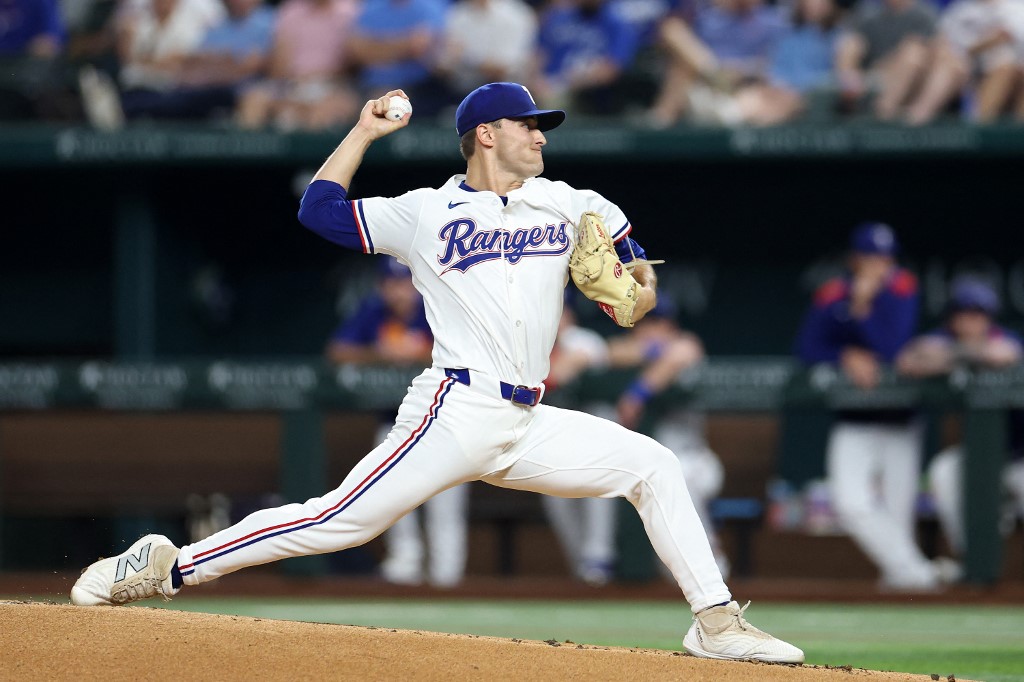
That overlap makes relief pitching the most direct battlefield. A dependable arm can influence several games each week, protect starters from losing quality outings and give a manager more favorable matchup choices. The effect becomes larger when two rivals are separated by a single game.
Houston’s comeback has removed any easy case for standing down. Texas’ position at the top has removed any easy case for protecting a narrow lead without reinforcements. Seattle’s presence near the race adds another source of pressure, preventing either Texas club from treating the division as a two-team certainty.
The 2026 deadline may not produce a blockbuster involving Houston or Texas. It does not need one to reshape the AL West. One productive outfielder, one reliable setup arm or one controllable pitcher could influence enough late-season games to determine which Texas club wins the division and which one must rely on the wild-card race.
For Brown and Young, the central question is no longer whether their teams are close enough to buy. The standings have answered that. The question is which front office can improve its roster without paying a price that lasts longer than the 2026 pennant race.