The Houston Astros entered their final 2026 regular-season series against the Texas Rangers trailing their in-state rival and facing one of the clearest tests of their postseason credibility. Three games later, Houston had swept Texas, reclaimed first place in the American League West, secured the Silver Boot and transformed the decisions facing both front offices before the MLB trade deadline.
Houston completed the sweep with a 7-3 victory on August 2 at Daikin Park. The Astros outscored the Rangers 23-9 across the three games, extended their winning streak to six and improved to 58-55. Texas fell to 55-57 after losing its fifth consecutive game, leaving the Rangers 2½ games behind Houston.
The series did more than change the standings. It changed the leverage surrounding every deadline conversation. Astros general manager Dana Brown could evaluate acquisitions with his club leading the division rather than chasing it. Rangers president of baseball operations Chris Young had to decide whether a five-game losing streak represented a temporary setback or evidence that Texas required more than one addition.
A Silver Boot sweep is meaningful inside a Texas rivalry. This one carried national postseason implications because it occurred less than 24 hours before the August 3 deadline.
Houston Turned A Two-Game Deficit Into A Division Lead
The Astros began the series behind Texas despite winning five consecutive games before returning to Houston. Their position reflected how compressed the AL West had become: one strong weekend could move a team from third place to first, and one poor weekend could reverse a month of progress.
Houston immediately changed the race with an 11-2 victory on July 31. The Astros collected 18 hits and three home runs, with Jeremy Peña, Yainer Diaz, Isaac Paredes and Yordan Alvarez driving an offense that overwhelmed Texas pitching.
The win pushed Houston into first place and secured the season series against the Rangers. That head-to-head advantage matters because MLB no longer uses an additional Game 163 to settle regular-season ties. The season series serves as the first tiebreaker if Houston and Texas finish with identical records.
The Astros followed with a 5-4 win on August 1 before closing the sweep the next afternoon. Houston’s ability to win both a lopsided opener and tighter games showed that the series was not built around one unusual offensive outburst.
Sunday’s finale reinforced that point. Peter Lambert retired the first 12 Rangers he faced and finished with eight strikeouts across 5⅔ innings. Texas erased an early deficit and tied the game in the seventh, but Houston responded with four runs in the bottom half. Alvarez supplied a two-run double, and Peña hit a two-run home run while extending his hitting streak to 14 games.
The sweep moved Houston from pursuit into control. A 2½-game lead is not secure with nearly two months remaining, but it is a far stronger position than the Astros occupied when they were 11 games below .500 in May.
The Season Series Created An Extra Houston Advantage
Winning the Silver Boot normally carries regional pride, clubhouse satisfaction and fan interest. In 2026, it supplied Houston with something more practical.
The Astros finished the season series against Texas with a 9-4 record. Houston had already secured the trophy before completing the sweep, but the final victory strengthened its head-to-head advantage and removed any possibility of Texas recovering the season series later.
That becomes important in a division without much separation. If the Astros and Rangers finish tied, Houston’s season-series victory would place the Astros ahead in the standings and could determine a division title, postseason seeding or entry into the playoff field.
The rivalry’s history adds context. Houston has controlled the Silver Boot for much of the period since becoming an AL West contender, winning it for a 10th consecutive season according to coverage surrounding the 2026 finale. The latest trophy was different because it arrived alongside an immediate transfer of first place.
That distinction changes how the Rangers must view the remaining schedule. Texas cannot count on matching Houston’s record and relying on an additional game or neutral tiebreaker. The Rangers need to finish ahead outright or improve their wild-card position.
Houston, meanwhile, has a small cushion hidden inside the official standings. A 2½-game lead looks like a 2½-game lead, but the season-series edge means Texas may effectively need one additional win if the clubs remain close in late September.
The Astros earned that advantage by winning games in Houston and Arlington rather than through a procedural technicality. It is a reward for controlling the direct rivalry.
Yordan Alvarez Changed The Shape Of The Series
Houston’s surge has been powered by several players, but Alvarez gave the Rangers few places to hide.
He entered the final game leading the American League in batting average, home runs and RBIs, placing him in position to challenge for the Triple Crown. During the sweep, Texas repeatedly had to choose between attacking Alvarez and creating situations for the hitters around him.
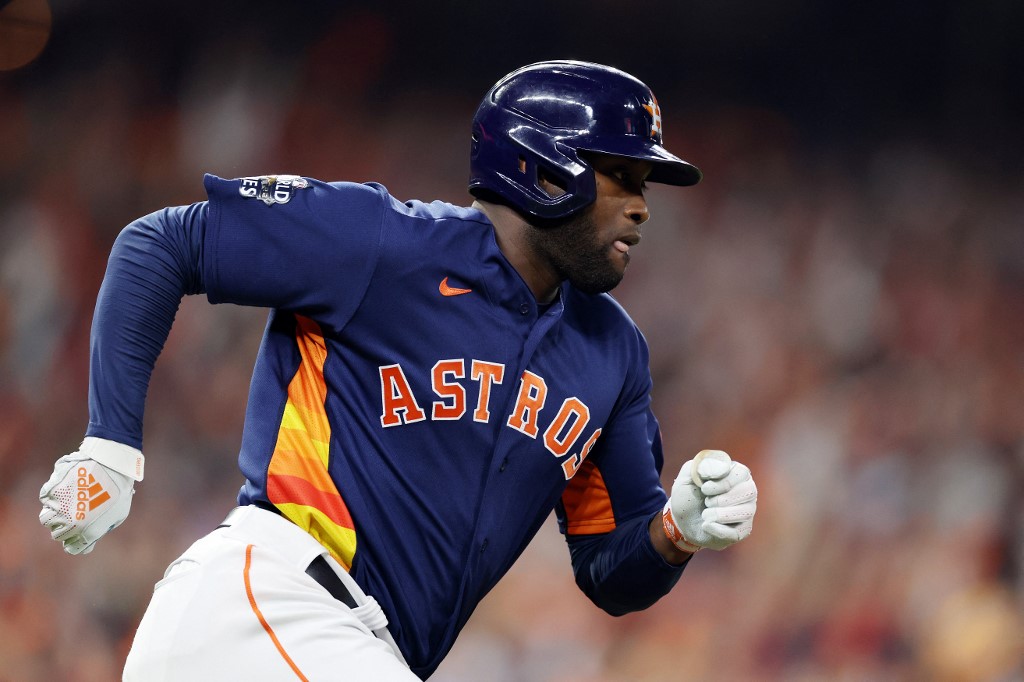
Alvarez went 4-for-5 with two RBIs in the finale and delivered the decisive two-run double during Houston’s four-run seventh inning. His performance raised his batting average to approximately .330 while his home-run total remained at 35.
The lineup pressure did not end with Alvarez. Peña’s 14-game hitting streak gave Houston production near the top of the order. Diaz delivered consecutive four-hit performances during the opening portion of the series. Paredes supplied power, while Cam Smith continued contributing during the club’s broader turnaround.
That depth explains why the Astros could score 23 runs across three games without depending on one batter for every decisive swing. It also clarified Brown’s deadline challenge.
Houston’s offense is operating at a high level, yet the club has continued searching for dependable outfield production. A left-handed outfield bat remained one of the front office’s identified priorities before the deadline, alongside relief help. MLB’s broader deadline assessment listed outfield offense and bullpen depth among the Astros’ most logical needs. (Astros Trade Deadline Needs)
The sweep does not remove those needs. It makes addressing them easier to justify.
Peter Lambert Showed Why Houston Has More Rotation Flexibility
The Astros entered the season with significant pitching uncertainty. Injuries repeatedly changed their rotation, forcing Houston to search for innings from veterans, returning starters and less-established options.
Lambert has become one of the most useful answers.
He entered Sunday after recording a 1.88 ERA in July. Against Texas, he retired the first 12 hitters, allowed two runs and struck out eight before leaving in the sixth. The performance improved his record to 9-5 and lowered his season ERA to 3.06.
His emergence gives Houston more freedom at the deadline. Brown does not have to treat a starting pitcher as the only acceptable acquisition if Lambert, Hunter Brown, Cristian Javier, Hayden Wesneski and other available arms can provide enough innings.
Houston has already reshaped part of its pitching inventory. The Astros traded Lance McCullers Jr. and Colton Gordon to Milwaukee for outfield prospect Jadyn Fielder on July 15. They later moved Nate Pearson to Kansas City for right-hander Max Martin. Those moves created roster flexibility without representing the final addition expected from a division leader. (Official MLB Trade Tracker)
The sweep strengthens the argument for targeting a player who directly improves the 2026 roster. Houston no longer needs to evaluate whether the season is worth supporting. Eleven wins in 12 games and first place in the AL West have answered that question.
The remaining issue is cost. Brown must determine whether another outfielder, reliever or versatile position player is worth sacrificing prospect depth for a race that remains far from settled.
The Rangers’ Five-Game Slide Complicated Chris Young’s Decision
Texas entered the Houston series holding first place and left it facing a more difficult deadline calculation.
The Rangers did not simply lose three games. Their lineup struggled to convert opportunities, their bullpen surrendered key runs and their starting pitching could not prevent Houston from building early pressure. Sunday’s loss included a seventh-inning rally that tied the score, followed by four Houston runs in the bottom half.
Manager Skip Schumaker and hitting coach Justin Viele were ejected during the finale after a disputed strikeout ended a Texas threat. The frustration reflected the stakes more than one call. The Rangers were watching a division lead disappear while their losing streak reached five.
Texas still possesses enough talent to recover. Corey Seager’s health, Josh Jung’s availability and the progress of pitchers working back from injuries could change the roster without a major transaction. Evan Carter has shown encouraging offensive improvement since returning, while Brandon Nimmo supplied a home run in the series finale.
The problem is timing. The Rangers cannot wait several weeks to determine whether every returning player will solve a specific weakness. The trade deadline closes on August 3 at 6 p.m. ET, leaving Young with a decision before Texas begins its series against the San Francisco Giants.
Earlier in July, Young said he wanted to see winning baseball before determining how aggressively to approach the market. The Houston series supplied the opposite result. Texas is below .500, trailing in the division and no longer holding the head-to-head tiebreaker.
That does not automatically make the Rangers sellers. It makes an unfocused acquisition harder to defend. Texas needs help capable of changing close games, whether through bullpen reliability, rotation depth or more consistent offense.
The Sweep Increased Houston’s Buying Pressure
Winning can reduce panic, but it can increase responsibility.
Had Houston lost the series and fallen several games behind Texas, Brown could have justified a cautious deadline. The Astros might still have added a modest piece while protecting their best prospects and waiting for injured players to return.
A sweep removed that option from serious consideration.
Houston is now leading a division it has controlled repeatedly during its modern competitive run. Alvarez is producing at an MVP level. Peña is one of the league’s hottest hitters. The rotation has stabilized enough to support a postseason push. The bullpen still contains high-end arms led by Josh Hader and Bryan Abreu.
The club does not need a complete roster reconstruction. It needs one or two additions capable of improving the weakest portions of a first-place team.
Reports before the deadline connected Houston with Miami Marlins outfielder Kyle Stowers, a left-handed hitter who would address the club’s outfield search. No trade had been finalized when this article was prepared, making the rumor useful only as evidence of the player type Houston was exploring rather than a confirmed acquisition.
Brown must still avoid paying a first-place premium created by the weekend. Sellers understand that Houston’s urgency increased. A limited number of available impact players can force buyers into larger prospect packages than they initially planned.
The best deadline move would improve the Astros without treating three wins as permission to ignore long-term value.
Why The Silver Boot Sweep Could Shape September
The AL West race remains open. Houston’s 58-55 record would not create comfort in a stronger division, and the Astros’ run differential has reflected the damage caused by their difficult start. Texas, Seattle and other American League wild-card contenders still have enough time to alter the postseason field.
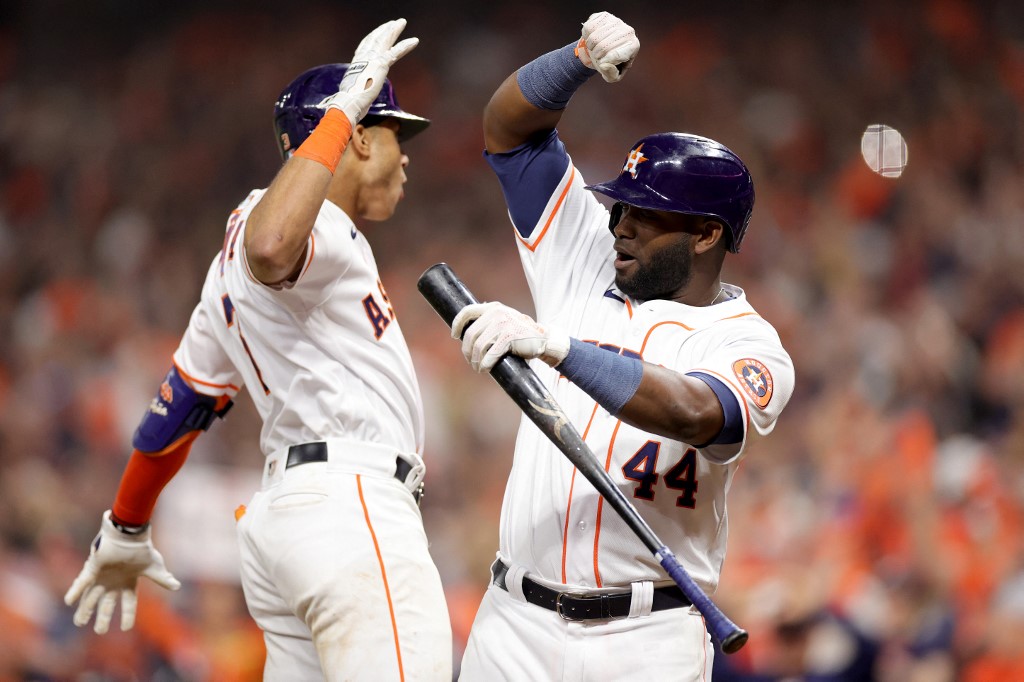
The sweep changed the race because it affected nearly every variable at once.
Houston gained three games in the standings, secured the season tiebreaker, extended its winning streak and entered the deadline with a clear reason to buy. Texas lost first place, fell below .500, extended a five-game skid and reached the deadline needing to decide whether reinforcements can reverse the slide.
The Astros now move into a home series against the Toronto Blue Jays with Cristian Javier, Hayden Wesneski and Hunter Brown scheduled to start. Texas heads toward a series against San Francisco carrying the pressure of proving the Houston weekend did not expose a deeper decline.
Neither club will win or lose the division during the first week of August. The consequences of the Silver Boot sweep will remain visible long after the trophy presentation.
If Houston converts its lead into a division title, the three-game domination at Daikin Park will stand as the weekend the race changed. If Texas recovers, the Rangers will have done so without the safety of the head-to-head tiebreaker and after receiving a direct warning about their roster’s weaknesses.
The trade deadline adds the final layer. Brown and Young must respond to what they saw before the market closes.
Houston’s sweep established which Texas team controls the race today. The moves made next will help determine whether that control lasts through September.