
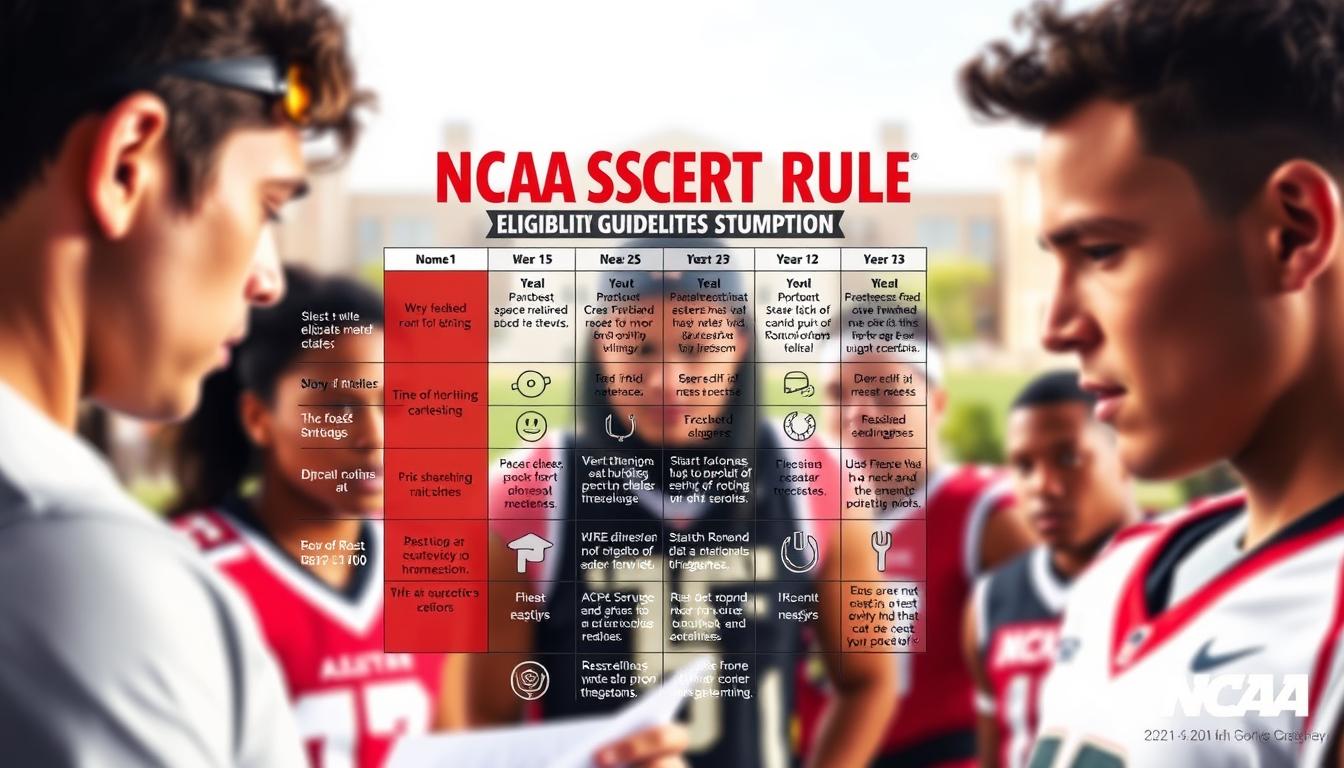

Welcome to college sports’ most confusing puzzle. The current framework feels like trying to solve a Rubik’s Cube blindfolded.
Athletes usually get four competitive years plus one redshirt season. But this system is showing its age in dramatic fashion.
Consider Cam McCormick’s nine-year collegiate career. His case reads like a college football version of Benjamin Button’s story.
Diego Pavia’s JUCO journey through the courts reveals a new reality. The NCAA’s amateurism model now faces legal challenges that treat college sports like the business empire it’s become.
We’re witnessing a possible shift toward a five-year competition model. This change would completely rewrite how programs manage roster construction and player development.
Think of it as Moneyball meets constitutional law. Scholarship limits and courtroom drama have become the new normal in collegiate athletics.
COVID Exception Players
Imagine trying to solve a Rubik’s Cube blindfolded. That’s what college athletic departments faced with COVID exceptions. The NCAA’s response to the pandemic made eligibility a complex challenge.
The core idea was simple: athletes got an extra year to play. This meant six years to play four seasons instead of the usual five. But, the way it was done was far from simple.
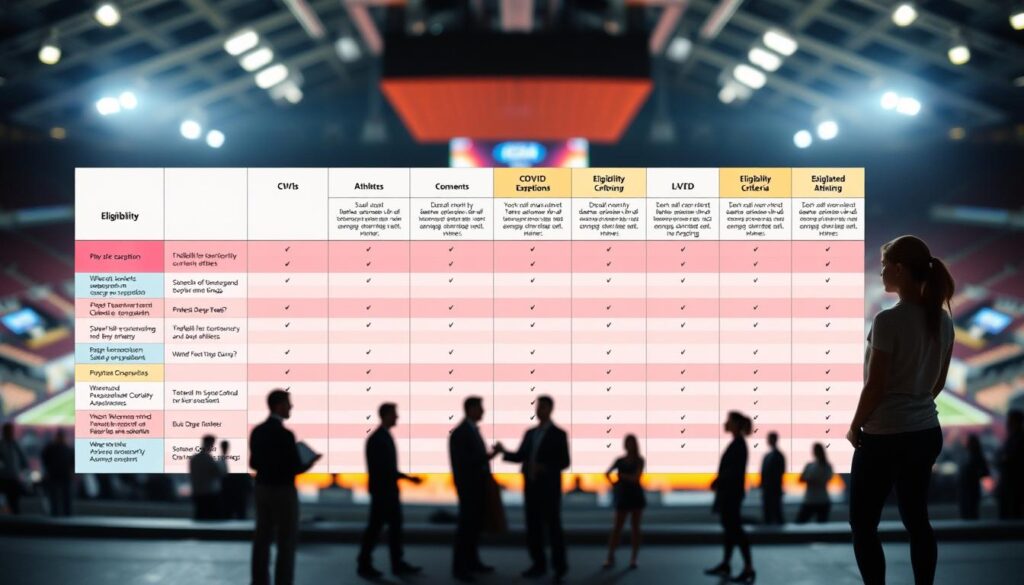
Winter and fall sports got automatic waivers. But other sports had to meet a 50% game participation threshold. This led to “eligibility chart chaos,” where different sports had different rules.
Schools like Grand Valley State faced a financial aid puzzle. They had to balance returning seniors with new freshmen, all while keeping within scholarship limits. Some schools welcomed the extra time; others encouraged athletes to leave.
This temporary fix showed deep problems in the system. The NCAA’s official guidelines were more like suggestions. Athletic departments had to manage rosters and scholarships like a game of three-dimensional chess.
The COVID exception wasn’t just about extra time for athletes. It showed how fragile college sports really are. When one part of the system changes, everything else starts to shake.
Redshirt Candidate Profiles
Remember when redshirting meant hiding a scrawny freshman in the weight room? Those days are gone. Today, redshirt candidates are building their futures. The modern roster eligibility game is a career strategy.
We’ve found three new types changing the game:
- The Brand Builder: These athletes use their extra year to grow their brand. They work on their physical game and build social media followings. It’s all about building a strong brand.
- The Academic Pursuer: Players like Wyatt Cory at Ashland University use their extra year for school. They balance the weight room with the lecture hall.
- The Late Bloomer: JUCO transfers are now redshirt royalty. They come with experience but need time to adapt. Community colleges are their proving grounds.

The old reasons for redshirting are important. But now, they share the stage with brand building and school. It’s less Rudy and more Wolf of Wall Street with shoulder pads.
Coaches are now career managers. They guide players who might stay five, six, or seven years. The roster eligibility calculus has changed. It’s about maximizing athletic and life goals.
| Redshirt Type | Primary Focus | Career Impact | NIL Potencial |
|---|---|---|---|
| Brand Builder | Social media growth | Marketing opportunities | High |
| Academic Pursuer | Degree advancement | Post-sport career | Medium |
| Late Bloomer | System adaptation | Starter position | Variable |
| Traditional | Physical development | Playing readiness | Low |
The super-redshirt era needs new strategies. Programs must balance team needs with player growth. It’s a delicate balance between winning now and planning for the future.
This change benefits everyone. Players get more education and financial chances. Teams get deeper, more experienced rosters. The modern approach to roster eligibility is a win-win for college sports.
Depth Impact
College basketball’s new redshirt rule makes roster management a high-stakes game. Coaches must decide between keeping veteran players or taking a chance on new talent. The eligibility chart is now a strategic guide, not just a simple form.
Tom Izzo worries about the standardized rules causing chaos. Programs need to be precise in their decisions. Every scholarship choice has long-term effects under the new rules.
The House settlement adds to the challenges, making it like a salary cap for talent. Teams must weigh the value of experienced players against new recruits. This eligibility uncertainty turns coaches into portfolio managers, not just talent scouts.
Top recruits might have to wait behind older players. The usual development path is disrupted. College sports now value experience over raw talent, changing how teams recruit.
Financial aid and NIL budgets need a complete overhaul. Fifth-year players add a new layer of complexity. The whole system adjusts to prioritize roster eligibility for success.