Italy’s latest World Cup spiral is not just a soccer story. It is a warning about what happens when a proud program loses the thread between talent, leadership, development, and identity.
That may sound dramatic for a Texas State football conversation, but the connection is real. Italy has stars, history, trophies, infrastructure, and one of the world’s most recognizable soccer brands. Yet after another World Cup qualifying collapse and another coaching reset, the debate has moved beyond one manager. It has become a question of what Italy wants to be before it decides who should lead it.
That is why the recent discussion around Pep Guardiola and the Azzurri matters. The idea of Guardiola taking over Italy has divided opinion precisely because it represents more than a famous name. It represents a possible identity swing, a full philosophical reset, and a national-team gamble before the next World Cup cycle. Football Italia framed that debate through Italy’s Guardiola coaching debate, and the lesson travels surprisingly well to San Marcos.
Texas State is not Italy. The Bobcats are not trying to rescue a four-time World Cup champion. But G.J. Kinne’s program is entering a defining stretch of its own, with Pac-12 membership arriving, recruiting expectations rising, and roster construction becoming more competitive every cycle. In that environment, protecting recruiting identity is not branding fluff.
It is survival.
Why Italy’s Coaching Crisis Is Really An Identity Crisis
Italy’s problem is not that it lacks football culture. That would be like saying Texas lacks quarterbacks. The issue is that culture alone does not build a modern roster, develop young talent, or create tactical clarity.
When a national team starts cycling through ideas, managers, and public narratives, every new hire becomes a referendum. Should Italy return to defensive tradition? Should it modernize around possession and pressing? Should it trust younger players earlier? Should it chase the biggest coaching name available, even if the fit is complicated?
That is the danger zone for any program. The moment identity becomes reactive, recruiting and development start to wobble.
For Texas State, the college version of that risk is easy to spot. The Bobcats are moving into a bigger conference conversation. They have momentum, more visibility, and a recruiting pitch that can now lean on a stronger national stage. But if that pitch becomes too broad — “come here because we are moving up” — it loses power.
The strongest recruiting identity is not just about conference logos. It is about role clarity.
A prospect wants to know: How will I be used? What does this staff value? Can I develop here? Is the depth chart honest? Does the program keep its promises once the next transfer window opens?
That is where Texas State has to stay sharp.
Texas State’s Recruiting Identity Has To Be More Than Momentum
The Bobcats have already shown they can create movement. Texas State’s 2026 class brought attention because of its size, profile, and the sense that the program was recruiting with a bigger future in mind. The arrival of Pac-12 membership beginning with the 2026-27 season gives the staff a different platform, but it also changes the room.
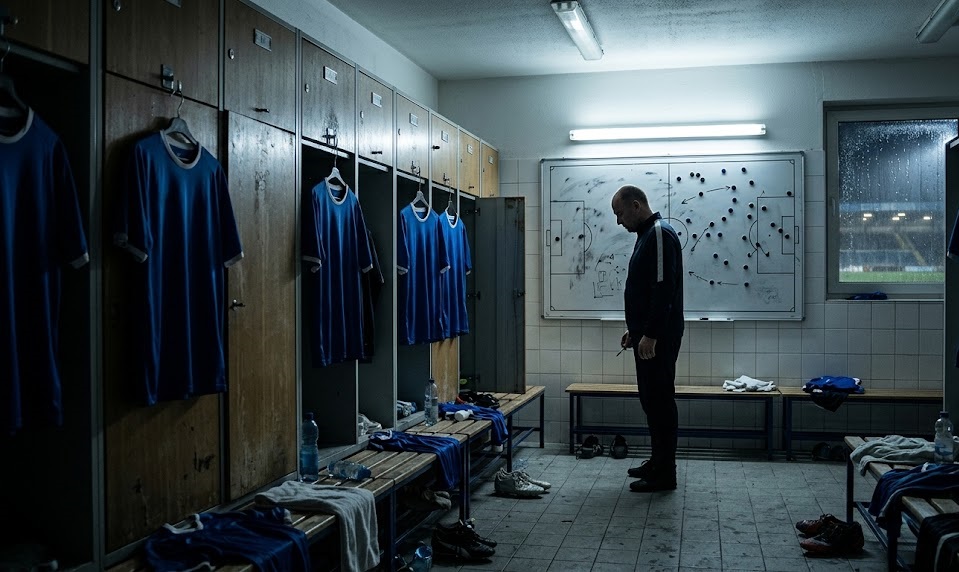
A Sun Belt underdog can recruit with edge. A Pac-12 newcomer has to recruit with proof.
That means Texas State must keep its identity tight around development, speed, Texas roots, transfer fit, and early opportunity. The staff cannot afford to become a program that signs talent simply because the market expects splash. That is how a roster becomes impressive on paper but uneven on Saturdays.
The best version of Texas State recruiting should sound specific:
| Recruiting Pillar | Why It Matters For Texas State |
|---|---|
| Texas Evaluation | Keeps the Bobcats connected to local high school pipelines and regional credibility |
| Transfer Fit | Helps avoid portal additions who look good on paper but do not match scheme or culture |
| Early Role Clarity | Gives recruits a realistic path instead of vague promises about opportunity |
| Player Development | Turns overlooked athletes into contributors before bigger programs circle back |
| Pac-12 Readiness | Prepares the roster for deeper travel, stronger depth, and higher weekly scrutiny |
That is the framework. Not hype. Not panic. Not chasing names because the room gets louder.
Italy’s coaching search shows how quickly a program can become trapped between history and urgency. Texas State’s recruiting build has to avoid that same emotional swing.
The Guardiola Lesson: Fit Beats Fame
Guardiola is one of the defining coaches of modern soccer. His teams have changed how fans, players, and clubs talk about space, pressing, possession, overloads, and control. But even a coach with that résumé raises questions when attached to Italy.
Would the player pool fit his ideas? Would the federation commit to the long-term project? Would Italian football’s development pipeline support the tactical reset? Would the country tolerate growing pains?
Those are fit questions, not fame questions.
Texas State faces a smaller but similar version of the same principle with recruits and transfers. A player’s star rating, offer list, or previous school matters, but it cannot be the whole evaluation. The real question is whether that player fits what Texas State is becoming.
For example, a high-upside quarterback only matters if the staff knows whether it wants him as a quick-game distributor, vertical shot creator, designed-run threat, or developmental passer. A defensive transfer only changes the roster if his role matches the front, the coverage structure, and the weekly opponent profile. A freshman with elite athletic traits still needs a pathway that does not bury him behind short-term portal traffic.
That is why Texas State’s player evaluation needs to stay tied to a clear football personality. Fans can track that identity through Texas State recruiting class analysis, but the deeper question is what those classes say about the staff’s long-term build.
The Bobcats do not need to recruit like everyone else. They need to recruit like the best version of themselves.
Why The World Cup Angle Matters For A College Football Program
The World Cup exposes identity faster than almost any tournament in sports. There are fewer games, less training time, more pressure, and no room for vague philosophy. A national team either knows what it is or discovers the answer too late.
College football is different, but roster windows now create a similar urgency. Signing periods, transfer portal movement, NIL considerations, eligibility rules, and conference realignment have compressed the timeline. A staff cannot spend three years figuring out what type of roster it wants. The roster is changing every offseason.
That is why Texas State’s move into the Pac-12 era has to be handled with discipline. The Bobcats should absolutely recruit more aggressively. They should use the conference upgrade. They should compete for players who might not have answered the phone five years ago.
But the staff also has to protect the traits that made the rise believable in the first place: developmental confidence, offensive creativity, regional recruiting relationships, and a willingness to identify value before it becomes obvious.
Italy’s crisis is a reminder that prestige can become a trap when it replaces structure. Texas State’s opportunity is to let structure create prestige.
The Recruiting Message Texas State Must Keep Repeating
Every strong program has a message recruits can repeat without a media guide.
At Texas State, that message should not be complicated. Come here because the staff has a plan. Come here because the program knows how to identify fit. Come here because the Pac-12 stage is bigger, but the development path is still personal. Come here because the Bobcats are not borrowing someone else’s identity.
That last part matters most.
When programs rise quickly, the temptation is to copy the next tier. Bigger school, bigger league, bigger promises. But the smartest climb is not imitation. It is translation. Texas State has to translate what worked in its current build into a roster capable of surviving better opponents, longer travel, deeper scouting, and higher expectations.
That means the staff must continue asking uncomfortable recruiting questions:
- Is this player a Texas State fit or just an exciting name?
- Does this transfer solve a football problem or create a depth-chart traffic jam?
- Does this freshman class build the future or only improve the announcement graphic?
- Does the roster still reflect the identity the staff sells in living rooms?
Those questions are not glamorous. They are the foundation.
What Italy’s Reset Should Remind Texas State
Italy’s World Cup coaching crisis is a flashing sign about the cost of losing alignment. When leadership, player development, tactical identity, and public expectation all pull in different directions, even a famous soccer nation can look uncertain.
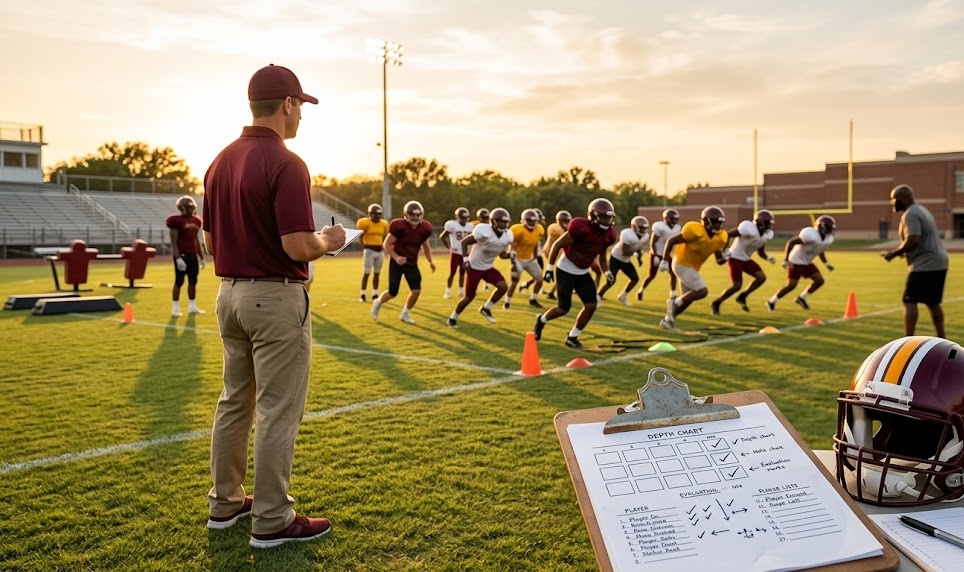
Texas State is in a much healthier position. The Bobcats have momentum, a rising conference platform, and a recruiting story with room to grow. But this is exactly when identity matters most. It is easier to protect a program’s DNA before the spotlight gets brighter than to rediscover it after the noise takes over.
The lesson from Italy is not that Texas State needs a Guardiola figure. It is that no program should let a famous name, a bigger stage, or a louder market define the plan.
For the Bobcats, the next step is clear: recruit with ambition, develop with patience, use the Pac-12 move wisely, and keep the football identity sharp enough that every player who signs understands exactly what he is joining.
That is how a program grows without losing itself.