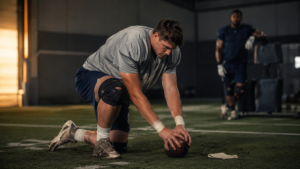
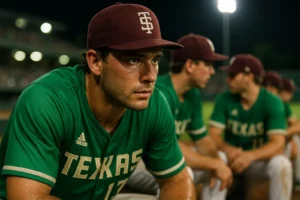
I treat roster moves like an earnings call: parse the message, then watch the numbers. GJ Kinne promised a retention-first plan for the 2025 season, but the transfer portal still played its part.
The haul was 19 newcomers, not the 38 from last cycle. That matters. A smaller, targeted class can shore up weak spots and add veteran depth without rewriting the playbook.
Skill continuity matters. RBs Greg Burrell and Jaylen Jenkins returned after testing the portal, and QB Brad Jackson came back with his receivers. That keeps explosiveness intact and saves yards you otherwise lose when chemistry resets.
We’ll gauge how those additions hold up in live games and where pressure will show on the field. Think future-proofing for a 2026 Pac-12 runway, not just chasing weekly highlights.
Recruiting strategy shifts as Texas State balances retention and transfer portal needs
Kinne pushed a retention-first plan, but the math of modern recruiting forced selective portal buys. He wanted continuity for the coming season, yet full retention proved unrealistic. Eligibility, NIL shifts, and personal choices still churned the roster.
GJ Kinne’s retention-first message and why turnover still forced moves
Retention was the priority—hold cores, keep chemistry. But players hit eligibility milestones, some seek new chances, and the portal remains irresistible.
How 19 newcomers target weaknesses after a larger prior transfer class
The staff took fewer swings this cycle. After a 38-player wave, the 19 additions are deliberate: a mix of plug-in seniors and developmental bets. Returning contributors like Greg Burrell, Jaylen Jenkins and QB Brad Jackson reduced immediate pressure at RB and QB.
- Short-term depth from experienced signees.
- Long-term upside with redshirt and junior timeline planning.
- Defensive staff hires (Will Windham, Marcus Patton) shaped target profiles.
| Class | Size | Main Focus |
|---|---|---|
| 2025 cycle | 38 | Wide rebuild after departures |
| 2026 portal | 19 | Experience, depth, position fixes |
| Contributors | Mix | Senior plug-ins + redshirt development |
This approach reads like roster chess: keep what works now and buy what you must to survive the season and win the next set of games. It’s pragmatic, not flashy—exactly how I’d build a mid-major run toward bigger stages for texas state football.
Texas state football roster updates: Where the transfer additions change the depth chart most
The defensive line got the loudest makeover. Losses of Kamren Washington, Jordan Sanders and Devarrick Woods left clear holes. The staff answered by rebuilding the interior rotation around three new, tested pieces.
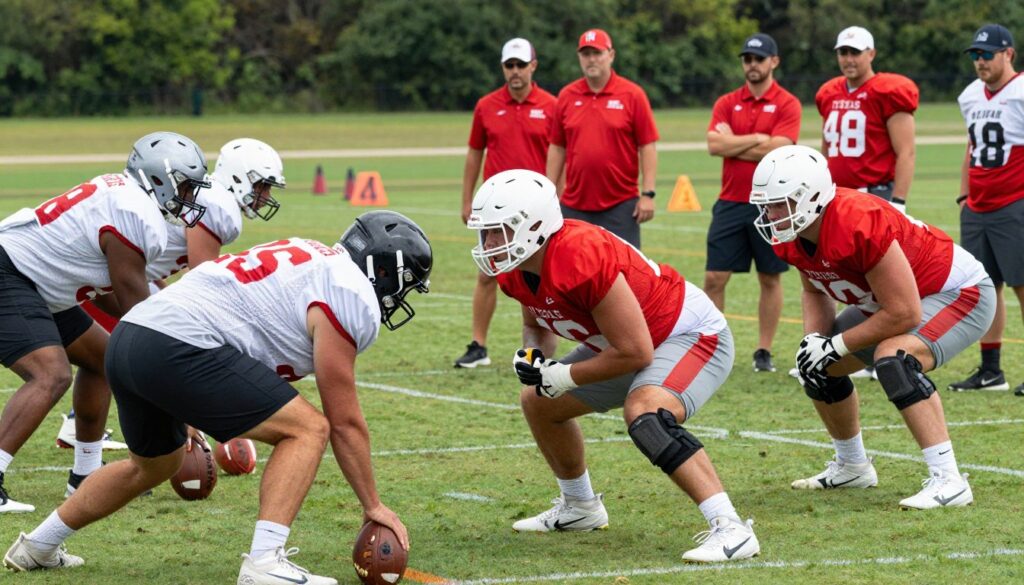
Defensive interior: ready-made options and immediate-impact profiles
Kaleb James, Chancellor Owens and Tae Woody are the new core inside. Woody’s 2025 tape — 13 tackles and eight pressures in 220 snaps per PFF — makes him the obvious first-impact candidate.
Ends moved inside: upside and matchup questions
Mekhi Buchanan, Jason Patterson and Phillip Bradford arrived as ends but project inside on obvious downs. That can win short-yardage snaps or create chaos if coaches manage down-and-distance well.
Offensive line reality check
With Dorion Strawn finished and Brock Riker plus Tellek Lockette gone, the line needed stable veterans. Enter Rasheed Jackson, Jaylen Early and William Boone — seniors and redshirt seniors who bring starting experience and immediate depth.
Secondary reset and experienced pickups
After eligibility and transfers thinned the corner room, DC Will Windham and Marcus Patton inherit a blank slate. Dexter Ricks Jr. and Michael Patterson III provide multi-season snaps and clearer minutes up front.
Slot specifics and developmental depth
Patterson III’s 2025 numbers (five PBUs, a 75.9 PFF slot coverage grade) suggest reliable slot work across the season. Colorado State’s John Smith arrives as a redshirt freshman with a runway for special teams and depth over time.
| Position Group | Key Additions | Immediate Role |
|---|---|---|
| Interior DL | Kaleb James, Chancellor Owens, Tae Woody | Rotation starters; Woody highest early-impact |
| Edge/Converted Inside | Mekhi Buchanan, Jason Patterson, Phillip Bradford | Situational pass-rush and interior depth |
| Offensive Line | Rasheed Jackson, Jaylen Early, William Boone | Veteran starters and depth; stabilize line |
| Defensive Backs | Dexter Ricks Jr., Michael Patterson III, John Smith | Experienced slot/corner work; redshirt development |
So who stole snaps? Expect Woody and Patterson III to battle for early reps. The real answer will come in fall camp and the first few games. For a fuller look at program context and staff direction, visit the program page.
Other roster moves to watch heading into the upcoming season and the 2026 Pac-12 jump
Small moves make big differences. I mean the ones fans skip in August until Week 2, when depth becomes a headline. These signings are about survival and positioning for a tougher conference run.
Linebacker depth after graduation losses
Arkansas State’s redshirt junior Jordan Sample and redshirt senior Javante Mackey add proven snaps after three departures. They aren’t fireworks, but they restore the tackling and run-fit depth the defense needs.
Quarterback room stabilization
Boston College transfer Shaker Resig gives the QB group a reliable third voice. His 141 yards, one TD and two INTs in 2025 say: practice won’t stall if Brad Jackson sits or Parkhurst needs reps.
Special teams and field-position upside
Dylan Cunanan’s 23-for-32 kicking and a 54-yard long bring immediate field control. Punter Tom Flintoff adds flip-the-field power—sometimes that’s the quietest way to win games.
Tight ends and skill continuity
Konner Fox, Titus Lyons and Jake Simpson return while transfers Moore, Blake Smith and Samaha push competition. That pairing boosts red-zone options and keeps Burrell and Jenkins productive in the backfield.
| Group | Key Additions | Role |
|---|---|---|
| Linebacker | Jordan Sample, Javante Mackey | Run fits; depth |
| Quarterback | Shaker Resig | Room stabilizer |
| Special Teams | Dylan Cunanan, Tom Flintoff | Field control; flipping field |
Conclusion
This cycle read less like a spectacle and more like a precise shopping list. The staff prioritized retention and used 19 transfers to patch real needs, not chase headlines. That balance keeps the core intact and readies the roster for tougher tests ahead in the next conference run this season.
Key levers: trench reinforcements, added secondary experience, and special teams gains that quietly flip the field and steal yards. Those small advantages add up when margins tighten.
Look for immediate help from senior and junior veterans, while a few redshirt projects grow into bigger roles. Build now, or wish you had later—especially when the field gets faster and the margin for error shrinks.